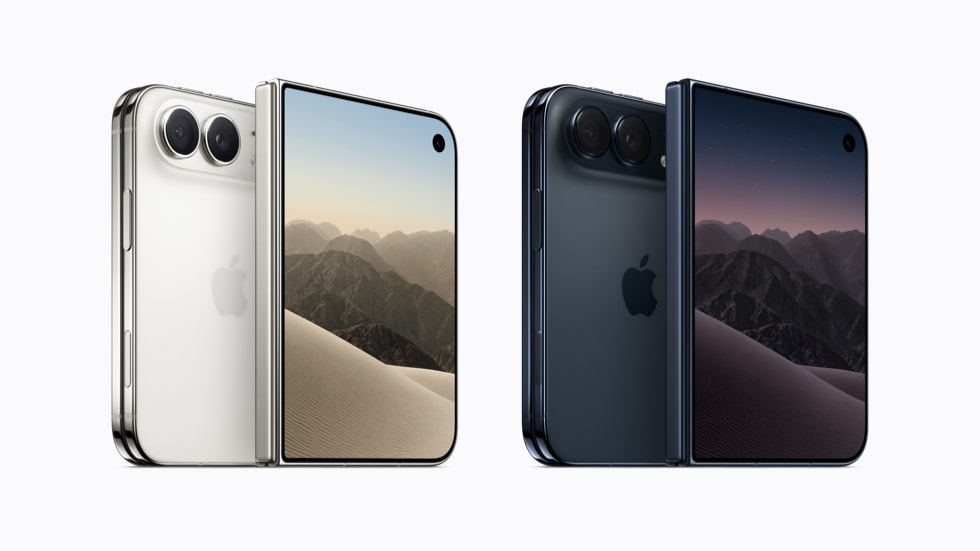
Apple's iPhone Duo isn't the first foldable phone. Samsung, Honor and others have sold folding glass slabs since 2019, and ggwptech covered Honor's Magic V2 back in 2024. What makes Apple's version actually new is a decision buried past the marketing copy: iPhone Duo drops the physical SIM tray everywhere in the world, not just in the US models that went eSIM-only in 2022.
Apple unveiled iPhone Duo on September 9, calling it "the most transformational change to iPhone since the original," a quote from John Ternus, Apple's CEO, that asks readers to forget the company spent years watching competitors ship foldables first. What Apple actually built is a phone with a 5.4-inch outer display and a 7.6-inch inner display, running the new A20 Pro chip, wrapped in grade 5 titanium with Ceramic Shield on both sides.
The eSIM call frees up space Apple needed elsewhere
Going eSIM-only worldwide isn't a courage move, it's a space problem. iPhone Duo needs room for two batteries, a folding hinge built from more than 100 components and dual displays. Apple says the eSIM-only design frees up internal volume that goes straight to battery capacity, the same tradeoff that pushed US iPhones off the SIM tray three years ago, just applied globally now because a foldable has even less room to spare. eSIM works with more than 500 carriers worldwide, including AT&T, T-Mobile and Verizon. Most buyers already running on eSIM plans won't notice the switch. Anyone still on a physical SIM will need to check with their carrier first.
The camera system carries over the 48MP Fusion Main sensor and 2x optical-quality telephoto from the iPhone 18 Pro line, plus fold-specific tricks like Smart Take, which uses on-device AI to fire the shutter automatically when it detects someone posing, and Duo Preview, which shows a live shot preview on the outer screen so the subject can check their own framing.
No confirmed Philippine date yet
Pre-orders open October 16 in more than 70 countries, with iPhone Duo shipping October 23 in that first wave and 28 more countries following on October 30. Apple's release names only some of the countries in that first wave, including Vietnam, Singapore and Malaysia, and the Philippines isn't among them. That doesn't rule out a Philippine launch in either wave, since Apple didn't publish the full country list, but it does mean nobody has confirmed a release date here yet.
Pricing starts at $1,999 for the 256GB model, or as low as $57.99 a month through Apple's Klarna-backed leasing program, with 512GB, 1TB and 2TB options above that. At that price and with no local release date, iPhone Duo is shaping up to be a phone Filipino buyers read about well before they can walk into a store for one.